-
Rifaximin: A Game-Changer for Reducing Rehospitalizations in Patients with Cirrhosis and Overt Hepatic Encephalopathy
If you or a loved one has been affected by cirrhosis, you’re likely familiar with its potentially devastating complications. One of the most troubling is overt hepatic encephalopathy (OHE)—a neurological condition that causes symptoms like lethargy, confusion, disorientation, and even coma. Not only does OHE severely impact quality of life, but it also leads to frequent hospitalizations, piling on both emotional stress and financial burden. But a new real-world study, published in Hepatology Communications in late January 2026, brings promising news: the medication rifaximin could significantly cut down on rehospitalizations for patients with cirrhosis and OHE, regardless of their insurance type. Let’s dive into the details of this groundbreaking research.…
You May Also Like

Navigating a Complex Treatment Landscape: A Guide to Using Rifamycin Drugs in Tuberculosis Patients with Coexisting Conditions

New Study Uncovers the Bacteria Behind Lactational Mastitis—And How They Beat Antibiotics

Uncovering the Link Between HIV-TB Coinfection, Monocyte Activation, and Preventive Therapy: New Insights from the ACTG A5279 Trial
-
Uncovering the Best Treatment for Overt Hepatic Encephalopathy: A Groundbreaking Clinical Trial from Pakistan
Imagine living with a liver condition that not only impairs your body’s ability to filter toxins but also leads to confusion, uncontrollable tremors, and even coma. That’s the reality for millions worldwide with overt hepatic encephalopathy (OHE), a life-threatening complication of advanced liver disease. In Pakistan, where hepatitis B (HBV) and C (HCV) infections drive one of the highest rates of cirrhosis globally, OHE affects 30–45% of cirrhotic patients-disrupting daily life and drastically shortening survival. For years, doctors have relied on lactulose (a sugar-based laxative) as the first-line treatment for OHE. But its effectiveness varies widely, and while other options like the antibiotic rifaximin, probiotics, and L-ornithine L-aspartate (LOLA) show…
You May Also Like
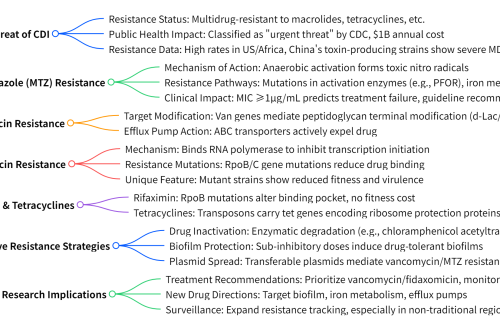
Clinical Insights: Resistance Mechanisms of Common Drugs for Clostridioides difficile Infection

Ethambutol API: High-Purity Manufacturing & Supply by Zhengzhou Minzhong Pharmaceutical
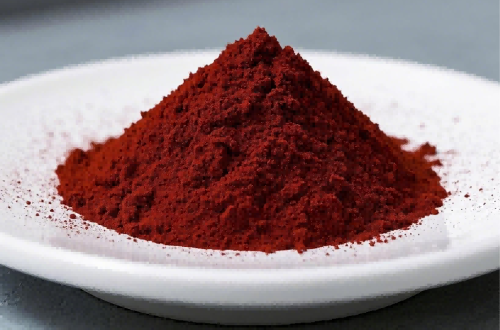
Sodium Rifamycin S CAS 133956-65-7: Premium Pharmaceutical Intermediate from Zhengzhou Minzhong Pharmaceutical Co Ltd

Professional manufacturer of Rifamycin derivatives sine 1994