-
Rifampicin Monotherapy for Staphylococcus aureus: Why EUCAST Rejects Breakpoints in Brackets
When it comes to treating bacterial infections, antimicrobial susceptibility testing (AST) guidelines are the backbone of clinical decision-making. For years, one question has lingered in infectious disease circles: Why isn’t rifampicin—an antibiotic rarely used alone for Staphylococcus aureus infections—labeled with “breakpoints in brackets” by EUCAST, the European Committee on Antimicrobial Susceptibility Testing? Let’s unpack the science, the guidelines, and what this means for real-world patient care. The Context: EUCAST’s “Breakpoints in Brackets” Rule In 2021, EUCAST introduced a game-changing concept: “breakpoints in brackets.” These special designations serve as a clear warning to clinicians: an antibiotic should never be used as monotherapy because it is inherently ineffective on its own. Instead,…
-
The Rifampicin Riddle: When an Effective Antibiotic Should Never Be Used Alone
If you work in infectious diseases or clinical microbiology, you’ve likely encountered this scenario: a patient has a serious Staphylococcus aureusinfection, perhaps a deep-seated bone or implant-related one. The lab report comes back, and it shows the isolate is susceptible to rifampicin. Yet, if you suggest using rifampicin by itself, your colleagues will likely advise against it. Why is that? If it’s “susceptible,” why can’t we use it as monotherapy? This paradox lies at the heart of a recent exploration by a panel of UK experts from the British Society for Antimicrobial Chemotherapy. Their investigation, published in the Journal of Antimicrobial Chemotherapy, delves into a specific question: should rifampicin’s official…
You May Also Like

Why WHO’s Child TB Dosing Guidelines Need a Second Look: New Research from Ghana

Bacteriophage Therapy: A New Hope for Hard-to-Treat Nontuberculous Mycobacterial Infections
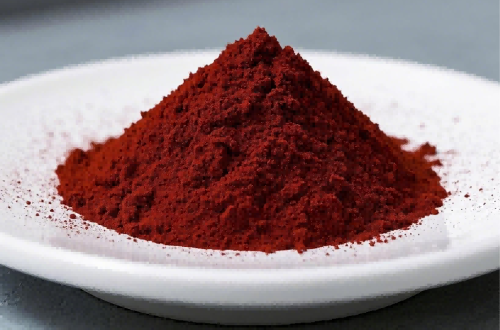
Sodium Rifamycin S CAS 133956-65-7: Premium Pharmaceutical Intermediate from Zhengzhou Minzhong Pharmaceutical Co Ltd

Professional manufacturer of Rifamycin derivatives sine 1994