-
Busting Common Myths in Antibiotic Therapy: What Every Clinician (and Patient) Should Know
Imagine this: A patient with a mild community-acquired pneumonia is admitted to the hospital and prescribed 14 days of intravenous (IV) antibiotics. Their doctor argues, “IV is stronger, and longer courses prevent relapses.” But what if this well-intentioned choice is based on outdated dogma—not science? A 2025 study published in Revista Española de Quimioterapia (Spanish Journal of Chemotherapy) by a team of Spanish infectious disease experts—including researchers from Valencia’s La Fe University Hospital and La Fe Health Research Institute—sets out to debunk these and other persistent myths in antibiotic use. Titled Legends, dogmas, presumptions, and demystifications in antibiotic therapy, the paper is a call to action: to replace “status quo”…
You May Also Like

Zhengzhou Minzhong Pharmaceutical: Leader Produttore di Rifamicina dal 1994
A Stability-Indicating LC Method for Rifapentine Impurities | QbD-Based Analytical Development
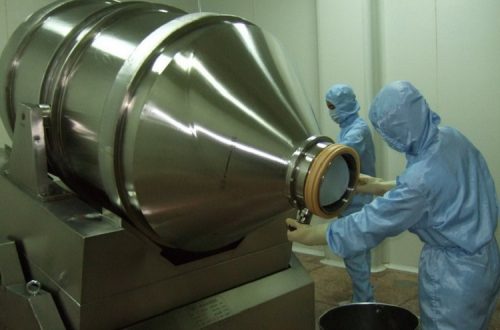
Zhengzhou Minzhong Pharmaceutical Co., Ltd.: A Global Leader in Specialized APIs and Pharmaceutical Intermediates
-
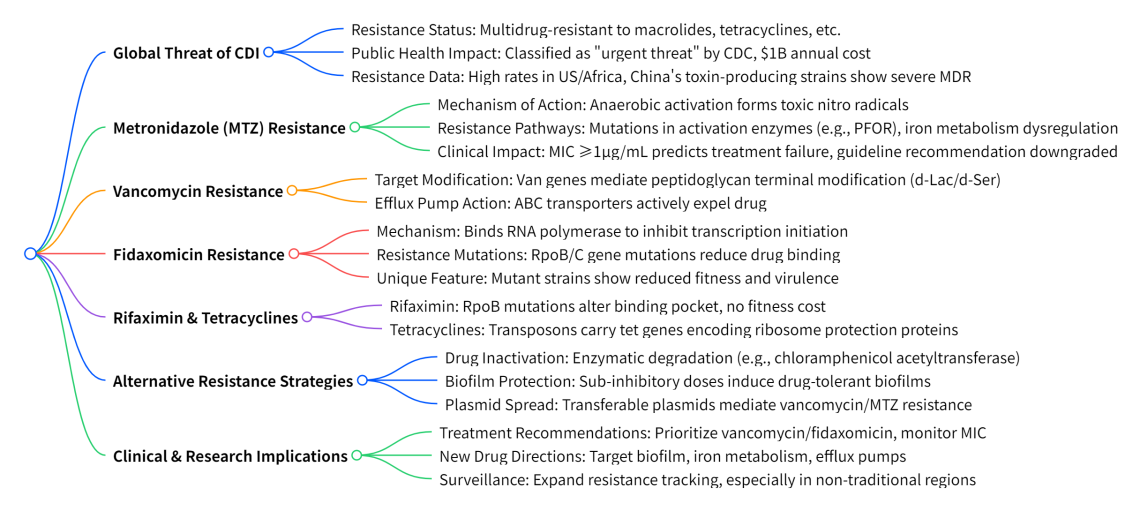
Clinical Insights: Resistance Mechanisms of Common Drugs for Clostridioides difficile Infection
Clostridioides difficile (CD) infection (CDI) remains a pressing global health challenge, driven by increasing antimicrobial resistance (AMR) and the bacterium’s ability to thrive in gut environments disrupted by antibiotics. Let’s explore how CD develops resistance to commonly used drugs, why this matters for treatment, and what it means for future therapies. The Growing Menace of CDI and Antibiotic Resistance CD is a spore-forming bacterium well-known for resisting multiple antibiotics like macrolides, tetracyclines, and fluoroquinolones. When broad-spectrum antibiotics wipe out the protective gut microbiota, CD takes advantage, overgrowing and producing toxins that cause severe diarrhea, colitis, and even life-threatening complications. Since 2013, the U.S. CDC has labeled CD as an “urgent…
You May Also Like
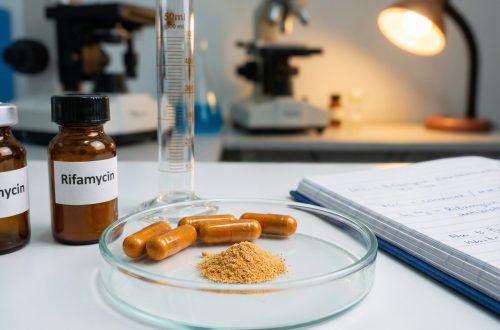
Rifampicin Monotherapy for Staphylococcus aureus: Why EUCAST Rejects Breakpoints in Brackets

The Rising Threat of Non-Tuberculous Mycobacterial (NTM) Infections in Mainland China and Taiwan (2013–2024): What We Know Now

FDA’s Draft Guidance on Assessing Overall Survival in Oncology Clinical Trials: A Deep Dive

Professional manufacturer of Rifamycin derivatives sine 1994