-
Of White Plague and Smart Chips: A New Weapon Against Drug-Resistant Tuberculosis
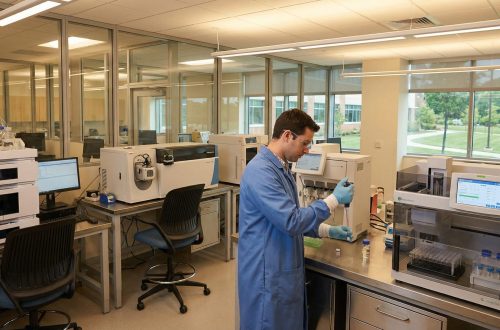
Tuberculosis (TB), often hauntingly referred to as the “white plague,” remains a formidable global health threat. While the world’s focus has shifted to newer pathogens, the ancient Mycobacterium tuberculosis continues to infect billions, with millions developing active disease each year. The battle is made exponentially harder by the rise of drug-resistant strains, turning curable infections into potential death sentences. The critical question for clinicians is: how can we quickly and accurately identify these resistant bacteria to save lives? A recent study from Shenzhen, China, provides a compelling answer by putting two diagnostic methods to the test: the cutting-edge Gene Chip Method and the time-tested Modified Roche Culture and Proportional Drug…
-
Rifaximin: A Promising Antimicrobial Agent with Diverse Applications
Rifaximin, a semi-synthetic non-absorbable antibiotic, has gained significant attention in recent years due to its unique properties and potential therapeutic applications. This article aims to provide a comprehensive overview of rifaximin, including its mechanism of action, clinical indications, recent research findings, and future prospects. Mechanism of Action Rifaximin belongs to the rifamycin class of antibiotics and acts by inhibiting the DNA-dependent RNA polymerase β subunit of bacteria. This inhibition prevents the synthesis of RNA and ultimately leads to the inhibition of protein synthesis, thereby killing the bacteria. The drug’s non-absorbable nature allows it to exert its effects primarily in the gastrointestinal tract, minimizing systemic side effects. Clinical Indications Rifaximin has…

Professional manufacturer of Rifamycin derivatives sine 1994