News
-
EDQM CEP Fast-Track & Reliance-Based Assessment: New 2026 Guidance Explained
In a significant move aimed at streamlining regulatory processes and addressing critical medicine supply challenges, the European Directorate for the Quality of Medicines & HealthCare (EDQM) has released two pivotal new guidelines. Published in late March 2026, these documents introduce formal frameworks for “reliance-based” and “fast-track” assessments of Certificates of Suitability (CEP) applications. For manufacturers, regulatory affairs professionals, and API suppliers, these updates represent a strategic shift toward efficiency without compromising the scientific rigor that the CEP pathway is known for. The Concept of Reliance-Based Assessment The first guideline introduces a formal mechanism for reliance-based assessment. Traditionally, a CEP application stands alone, requiring a full, de novo evaluation by the EDQM.…
You May Also Like

Unraveling Rifampicin Resistance in Tuberculosis: The Critical Role of rpoB Mutations

Uncovering the Best Treatment for Overt Hepatic Encephalopathy: A Groundbreaking Clinical Trial from Pakistan
Uncovering the Link Between HIV-TB Coinfection, Monocyte Activation, and Preventive Therapy: New Insights from the ACTG A5279 Trial
-
Rifampicin Monotherapy for Staphylococcus aureus: Why EUCAST Rejects Breakpoints in Brackets
When it comes to treating bacterial infections, antimicrobial susceptibility testing (AST) guidelines are the backbone of clinical decision-making. For years, one question has lingered in infectious disease circles: Why isn’t rifampicin—an antibiotic rarely used alone for Staphylococcus aureus infections—labeled with “breakpoints in brackets” by EUCAST, the European Committee on Antimicrobial Susceptibility Testing? Let’s unpack the science, the guidelines, and what this means for real-world patient care. The Context: EUCAST’s “Breakpoints in Brackets” Rule In 2021, EUCAST introduced a game-changing concept: “breakpoints in brackets.” These special designations serve as a clear warning to clinicians: an antibiotic should never be used as monotherapy because it is inherently ineffective on its own. Instead,…
You May Also Like

Unlocking Bacterial Natural Products: How COMMBAT Revolutionizes TFBS Prediction in Biosynthetic Gene Clusters

Good News for Cholera Control in Kazakhstan: Vibrio cholerae Strains Remain Antibiotic-Susceptible Over 5 Decades

Unraveling How Rifampicin’s Metabolite Shapes Drug Metabolism: A 3D Hepatocyte and Mathematical Modeling Study
-
Doxorubicin for Dengue: Repurposing a Chemotherapy Drug to Target the Virus’s RNA Polymerase
Dengue fever is one of those diseases that has quietly become a global giant. Spread by the Aedes mosquito, it puts nearly half the world’s population at risk. For decades, doctors have been forced to play a waiting game—treating symptoms like the “breakbone” fever and joint pain, but lacking any specific antiviral medication to stop the virus itself. With climate change pushing mosquitoes into new territories, the urgency for a treatment has never been higher. But developing a new drug from scratch takes years and billions of dollars. So, what if the cure for dengue has been hiding in plain sight, sitting on the shelves of your local pharmacy? In a fascinating…
You May Also Like
Isoniazid for TB Prevention: Does It Impact Pregnancy Risk in Women Living with HIV? A New Study Breaks It Down
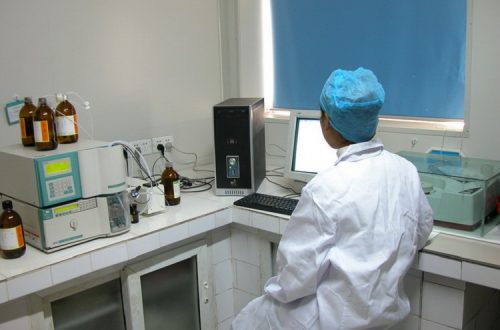
Mastering ASAP: A Comprehensive Guide to Predictive Drug Stability Testing

Decoding the Genomic Blueprint of Drug-Resistant TB in Thailand: Three Decades of Silent Spread Revealed
-
Severe VOD/SOS & Extreme Idiopathic Hyperammonaemia (920 µmol/L): A Fatal Case After Allogeneic HSCT for B-Cell ALL
Imagine a young man in his mid-20s, full of life and hope, battling a aggressive form of blood cancer—B cell acute lymphoblastic leukaemia with a positive Philadelphia chromosome. After undergoing initial chemotherapy, he takes the bold step of receiving an allogeneic haematopoietic stem cell transplant (HSCT) from a partially matched family donor, a procedure that offers a chance at a cure but comes with significant risks. What follows is a medical journey marked by unexpected complications, aggressive interventions, and a stark reminder of the fragility of life in the face of severe post-transplant conditions. The transplant process began with a conditioning regimen of total body radiation and fludarabine, designed to…
You May Also Like

Mastering Pharmaceutical Shared Production: Compliance, Risk Mitigation and Cleaning Validation for Safe Operations

Coenzyme Q10: Why China, Japan, and the U.S. Use This Antioxidant Differently

Breaking New Ground in MDR-TB Diagnosis: How the BD MAX Assay Is Transforming Testing for Drug-Resistant Tuberculosis
-
Avoid Critical GMP Failures: Key Deficiencies & Actionable Fixes for Pharma QA System Audits
Pharmaceutical quality assurance is the cornerstone of regulatory compliance and patient trust. Audits of QA systems often reveal systemic gaps that undermine process integrity, risk management, and product consistency. By examining key pain points and root causes, organizations can implement targeted improvements to build robust, resilient quality systems aligned with global standards such as GMP, ICH Q10, and ISO guidelines. 1. Deviation Investigation: Systemic Depth and Procedural Rigor Core Requirements Effective deviation investigation follows a structured, traceable framework encompassing seven stages: identification, initial assessment, investigation initiation, Root Cause Analysis (RCA), Corrective and Preventive Actions (CAPA), verification, and documentation. Critical principles include: Common Deficiencies Improvement Strategies 2. Change Management: Classification, Execution,…