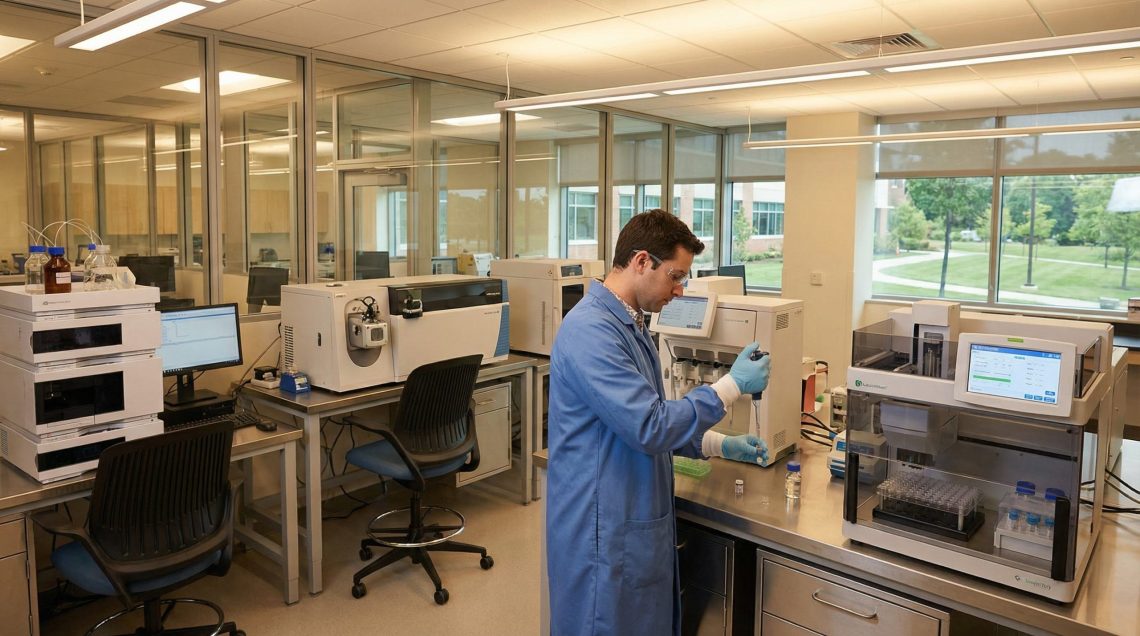
FDA’s 2026 Form 483 Draft Guidance: A Regulatory Turning Point for Global API Manufacturers
Introduction: A New Era of Regulatory Accountability
On March 7, 2026, the U.S. Food and Drug Administration (FDA) published a landmark draft guidance titled “Responding to FDA Form 483 Observations at the Conclusion of a Drug CGMP Inspection.” This document—the first of its kind in the agency’s history—consolidates and formalizes FDA’s expectations for how pharmaceutical manufacturers should respond when they receive inspectional observations documented on FDA Form 483. While the guidance is nonbinding and currently open for a 60-day public comment period, it represents a decisive crystallization of longstanding agency expectations into a single, authoritative reference.
For the global Active Pharmaceutical Ingredient (API) manufacturing industry, this guidance arrives at a particularly consequential moment. It follows the August 2025 release of the revised API Inspection Compliance Program (7356.002F)—the first update in a decade—and the May 2025 announcement by FDA Commissioner Martin Makary that the agency would dramatically expand unannounced inspections at foreign manufacturing facilities. Together, these regulatory developments signal a fundamental shift in how FDA oversees the global pharmaceutical supply chain, with profound implications for API producers in India, China, Europe, and beyond.
This article provides a comprehensive analysis of the 2026 Form 483 draft guidance, examines its intersection with the revised API inspection framework, and offers actionable strategies for global API manufacturers seeking to maintain compliance and competitive advantage in this rapidly evolving regulatory landscape.
1. Understanding the 2026 Form 483 Draft Guidance
1.1 What Is FDA Form 483?
FDA Form 483, formally titled “Inspectional Observations,” is the document that FDA investigators issue at the conclusion of a facility inspection when they observe conditions that, in their professional judgment, may constitute violations of the Federal Food, Drug, and Cosmetic Act and its implementing regulations. Receiving a Form 483 is not, in itself, a finding of violation—it is an observation that triggers a manufacturer’s opportunity to respond and demonstrate corrective action. However, the adequacy (or inadequacy) of that response can directly influence whether FDA escalates enforcement to a Warning Letter, import alert, consent decree, or even product seizure.
1.2 Why This Guidance Matters Now
Despite the critical importance of Form 483 responses in shaping regulatory outcomes, FDA had never previously issued a comprehensive guidance document consolidating its expectations for these responses. Manufacturers historically relied on informal agency communications, industry best practices, and legal counsel to navigate the response process. The 2026 draft guidance eliminates this ambiguity by establishing a clear, detailed framework that applies to all manufacturers regulated by CDER, CBER, and CVM, including combination product manufacturers where CDER or CBER serves as the lead Center.
1.3 Scope and Applicability
The guidance applies broadly to all drug Current Good Manufacturing Practice (CGMP) inspections, encompassing finished dosage form manufacturers, API producers, contract manufacturing organizations (CMOs), contract testing laboratories, and repackers/relabelers. For global API manufacturers, this means the same response standards now apply regardless of whether the facility is located in New Jersey, Gujarat, Jiangsu, or Bavaria.
2. Key Provisions of the Draft Guidance
2.1 The 15-Business-Day Response Window
The guidance formalizes what has long been an informal expectation: manufacturers should submit their response to a Form 483 within 15 business days of its issuance. This is not a statutory deadline, but the guidance makes clear that FDA will not ordinarily delay regulatory action—including the issuance of a Warning Letter—to accommodate a late response. For overseas API manufacturers operating across multiple time zones and potentially facing language barriers, this compressed timeline demands a state of perpetual readiness.
KEY TAKEAWAY: FDA recommends a single, consolidated response within 15 business days. Where complex observations cannot be fully resolved in time, manufacturers should submit at minimum a corrective and preventive action (CAPA) plan with proposed timelines for more substantive follow-up.
2.2 Required Content of a Form 483 Response
The draft guidance specifies, with unprecedented granularity, what a Form 483 response should contain. At the foundational level, every response must include the establishment’s identity and Facility Establishment Identifier (FEI) number, a copy of the Form 483 itself, identification of a contact person for follow-up, and a point-by-point response addressing each observation individually.
2.3 The CAPA Framework: Root Cause Analysis and Beyond
Perhaps the most significant aspect of the guidance is its detailed articulation of CAPA expectations. For each observation, FDA expects manufacturers to demonstrate a structured approach that begins with acknowledging the observation and providing a clear statement of agreement or disagreement with supporting rationale.
The guidance emphasizes that effective CAPA must be grounded in thorough root cause analysis. Manufacturers are expected to identify not just the immediate cause of a deviation, but the systemic factors that allowed it to occur. This includes evaluating whether the observation reflects an isolated incident or a pattern indicative of broader quality system failures. Where a CAPA proves ineffective, FDA expects the root cause analysis to be reopened and the corrective strategy revised—a requirement that demands ongoing monitoring and verification of CAPA effectiveness.
The CAPA plan itself should include specific corrective actions already taken (with supporting evidence), preventive actions designed to preclude recurrence, realistic timelines for completion of each action, and a description of the verification methodology that will be used to confirm effectiveness. FDA also expects manufacturers to assess whether the conditions underlying an observation exist in other areas of the facility or in other products—a “horizontal spread” analysis that can significantly expand the scope of remediation.
2.4 Interim Measures and Product Impact Assessment
The guidance introduces explicit expectations for interim measures. When an observation identifies a condition that could affect product quality, FDA expects manufacturers to describe any immediate containment actions taken to protect products currently in production or distribution. This includes batch disposition decisions, enhanced testing protocols, and, where necessary, voluntary recalls or market withdrawals.
Critically, the guidance expects manufacturers to conduct a product impact assessment for each observation, evaluating whether distributed products may have been affected and documenting the rationale for any determination that products remain suitable for their intended use. For API manufacturers whose products enter multiple downstream supply chains, this assessment can be extraordinarily complex.
2.5 Consultant Engagement and Disclosure
The draft guidance addresses the use of CGMP consultants, noting that while engaging qualified consultants can strengthen a response, manufacturers must ensure that consultant recommendations are actually implemented rather than merely documented. FDA expects transparency regarding consultant engagement, including disclosure of the consultant’s qualifications and the scope of their involvement. This provision is particularly relevant for overseas API manufacturers who may engage consultants specifically to navigate FDA regulatory expectations.
2.6 How Responses Influence Regulatory Outcomes
The guidance explicitly states that the quality and timeliness of a Form 483 response directly influence FDA’s post-inspection decision-making. A comprehensive, well-documented response can prevent escalation to a Warning Letter or other enforcement action. Conversely, an inadequate response—or no response at all—can accelerate enforcement and may be cited in subsequent regulatory actions as evidence of a manufacturer’s failure to address known deficiencies.
IMPORTANT: The guidance notes that FDA will consider the totality of a manufacturer’s response, including the specificity of corrective actions, the rigor of root cause analysis, the feasibility of proposed timelines, and the adequacy of interim protective measures. Generic or boilerplate responses are explicitly discouraged.
3. The Broader Regulatory Context: A Perfect Storm for Global API Manufacturers
3.1 The Revised API Inspection Compliance Program (7356.002F)
The 2026 Form 483 guidance does not exist in isolation. In August 2025, FDA released the revised API Inspection Compliance Program 7356.002F—the first update to this foundational document in a decade. The revised program incorporates elements from ICH guidelines Q9(R1) on quality risk management, Q10 on pharmaceutical quality systems, and Q12 on lifecycle management, reflecting a more sophisticated and systems-oriented approach to API oversight.
Key changes in the revised compliance program include enhanced focus on quality risk management throughout the API lifecycle, increased scrutiny of impurity control strategies (including nitrosamine and elemental impurities), more rigorous evaluation of process validation and continuous process verification, expanded assessment of supply chain controls and starting material qualification, and greater emphasis on data integrity across all quality systems.
The revised program also specifies that API inspections should be conducted by experienced investigators with specialized training in relevant production processes such as fermentation and chemical synthesis, and recommends the inclusion of chemists and microbiologists on inspection teams. This signals a more technically rigorous inspection approach that will challenge manufacturers to demonstrate deep process understanding.
3.2 Expansion of Unannounced Foreign Inspections
On May 6, 2025, FDA Commissioner Martin Makary announced a transformative policy shift: the agency would dramatically expand its use of unannounced inspections at foreign manufacturing facilities. Commissioner Makary framed the decision in characteristically direct terms: “For too long, foreign companies have enjoyed a double standard—given advanced notice before facility inspections, while American manufacturers are held to rigorous standards with no such warning. That ends today.”
This policy builds upon the agency’s Foreign Unannounced Inspection Pilot program conducted in India and China and represents a fundamental recalibration of FDA’s approach to international oversight. The agency conducts approximately 12,000 domestic inspections and 3,000 foreign inspections annually, and the expansion of unannounced inspections aims to eliminate the regulatory asymmetry that has long allowed foreign manufacturers to prepare specifically for pre-announced visits.
Additionally, FDA has clarified policies requiring investigators to refuse travel accommodations from regulated industry—including lodging and transportation arrangements—to maintain the integrity of the oversight process. This seemingly procedural change carries significant symbolic weight, signaling FDA’s commitment to eliminating even the appearance of conflicts of interest in foreign inspections.
3.3 Inspection Trends and Enforcement Data
The convergence of these regulatory developments is already visible in enforcement data. FDA executes approximately 15,000 inspections annually, and in 2024 alone, drug and biologic inspections generated nearly 1,800 violation observations. The most frequently cited observations in recent years consistently involve failures in laboratory controls and testing procedures, inadequate investigation of out-of-specification results, deficiencies in process validation and process controls, data integrity violations including unauthorized access, audit trail gaps, and data manipulation, inadequate cleaning validation and cross-contamination controls, and failures in quality system oversight and management review.
For API manufacturers specifically, the September 2025 unannounced inspection of a facility in Visakhapatnam, India—which resulted in six Form 483 observations including environmental control failures, wildlife intrusion into storage areas, and substandard API storage conditions—illustrates the type of findings that can emerge when facilities are not in a state of continuous compliance readiness.
4. Impact Analysis: What This Means for Global API Manufacturers
4.1 Operational Impact
The combined effect of the 2026 Form 483 guidance, the revised API inspection program, and the expansion of unannounced inspections creates a new operational reality for global API manufacturers. The 15-business-day response window, while not new in practice, is now formally documented and directly linked to enforcement escalation decisions. For manufacturers in India, China, and other major API-producing regions, this means that the capacity to generate a comprehensive, technically rigorous Form 483 response must be embedded in the organization’s operational DNA—not assembled ad hoc when an inspection occurs.
The requirement for thorough root cause analysis and horizontal spread assessment means that a single Form 483 observation can trigger a facility-wide review. For large API manufacturers producing dozens of products across multiple production lines, this can consume enormous quality assurance resources and potentially disrupt production schedules.
4.2 Financial Impact
The financial implications are substantial. Investment in compliance infrastructure—including quality management systems, data integrity platforms, environmental monitoring systems, and trained personnel—represents a significant capital expenditure. However, the cost of non-compliance is far greater. A Warning Letter can trigger import alerts that effectively bar products from the U.S. market, the largest pharmaceutical market in the world. The reputational damage can extend beyond FDA, affecting relationships with European, Japanese, and other regulatory authorities that increasingly share inspection findings through mutual recognition agreements.
The price-driven competitive dynamics of the global API market—where margins are often razor-thin—create a particular tension. Research from the U.S. Pharmacopeia (USP) has demonstrated that many generic APIs operate at price points that barely cover production costs, leaving insufficient margin for investment in quality system enhancements, equipment modernization, and supply chain redundancy. The new regulatory expectations effectively raise the minimum viable cost of API production, which may accelerate market consolidation among manufacturers who can absorb these investments.
4.3 Supply Chain Impact
The geographic concentration of global API production—with India and China accounting for an estimated 60–80% of global API supply—means that regulatory actions against major producers can have cascading effects throughout the pharmaceutical supply chain. When a key API supplier receives a Warning Letter or import alert, downstream finished dosage form manufacturers must rapidly identify and qualify alternative sources, a process that can take months or years and may contribute to drug shortages.
The USP’s Drug Supply Chain Resilience Initiative (DSCRI) has identified four risk factors strongly correlated with drug shortages: low pricing, high geographic concentration, quality instability, and manufacturing complexity. The new FDA regulatory framework directly addresses quality instability by raising the bar for compliance, but it may inadvertently exacerbate geographic concentration risk if smaller manufacturers in developing markets are unable to meet the heightened expectations.
4.4 Competitive Dynamics
For contract manufacturing organizations (CMOs) and contract development and manufacturing organizations (CDMOs), the new regulatory landscape presents both challenges and opportunities. Manufacturers with robust quality systems and strong FDA compliance track records can differentiate themselves in an increasingly quality-conscious market. The ability to demonstrate inspection readiness, rapid Form 483 response capability, and a clean regulatory history becomes a competitive advantage that can command premium pricing and attract long-term supply agreements.
Conversely, manufacturers with histories of repeated Form 483 observations, Warning Letters, or import alerts face an increasingly difficult competitive environment. The transparency of FDA enforcement actions—all Warning Letters and many Form 483s are publicly available—means that potential customers and partners can readily assess a manufacturer’s regulatory track record.
5. Strategic Response Framework: How API Manufacturers Should Prepare
5.1 Building a Culture of Continuous Compliance
The most fundamental shift required by the new regulatory landscape is cultural. Compliance cannot be treated as a periodic exercise triggered by inspection notifications. Instead, API manufacturers must cultivate a culture of continuous compliance where every employee understands their role in maintaining CGMP standards and where quality is embedded in daily operations rather than bolted on as an afterthought.
This cultural transformation begins with senior leadership commitment. Quality metrics should be elevated to board-level key performance indicators, and quality leadership should have direct reporting lines to the CEO or managing director rather than being subordinated to production or commercial functions. Investment in quality should be viewed not as a cost center but as a strategic enabler of market access and competitive differentiation.
5.2 Establishing a Form 483 Response Readiness Program
Given the 15-business-day response window and the detailed content expectations outlined in the guidance, API manufacturers should establish a standing Form 483 Response Team with pre-defined roles, responsibilities, and escalation protocols. This team should include representatives from quality assurance, quality control, production, regulatory affairs, and senior management, with clear authority to mobilize resources and make decisions under time pressure.
The response readiness program should include pre-drafted response templates aligned with the guidance’s content requirements, standardized root cause analysis methodologies (such as Ishikawa diagrams, 5-Why analysis, or fault tree analysis), pre-established relationships with qualified CGMP consultants who can be engaged on short notice, documented procedures for conducting horizontal spread assessments, and clear protocols for product impact assessment and batch disposition decisions.
5.3 Strengthening Data Integrity Systems
Data integrity remains one of the most frequently cited areas of concern in FDA inspections, and the revised API inspection program places even greater emphasis on this domain. API manufacturers should conduct comprehensive data integrity risk assessments across all computerized systems, implement robust access controls with unique user credentials and role-based permissions, ensure complete and tamper-evident audit trails for all GMP-critical data, establish regular data integrity auditing programs with trained auditors, and develop clear procedures for investigating and reporting data integrity breaches.
The transition from paper-based to electronic quality management systems, while requiring significant upfront investment, provides substantial long-term benefits in terms of data traceability, audit trail completeness, and the ability to rapidly retrieve documentation during inspections or when preparing Form 483 responses.
5.4 Enhancing Process Validation and Continuous Process Verification
The revised API inspection program’s incorporation of ICH Q12 lifecycle management principles means that FDA investigators will increasingly evaluate whether manufacturers maintain ongoing process understanding throughout the product lifecycle. API manufacturers should implement robust continuous process verification programs that use statistical process control and trending analysis to detect process drift before it results in out-of-specification results. Process validation should be treated as a living program rather than a one-time exercise, with periodic revalidation triggered by defined criteria including process changes, equipment modifications, and trend analysis findings.
5.5 Investing in Environmental and Facility Controls
The Visakhapatnam inspection case study underscores the importance of maintaining robust facility and environmental controls. API manufacturers should implement comprehensive environmental monitoring programs with defined alert and action limits, ensure that facility design and maintenance prevent contamination risks including pest intrusion, maintain validated HVAC systems with appropriate air handling and pressure differentials, and conduct regular facility walkthroughs and self-inspections using FDA-style inspection checklists.
5.6 Developing Supply Chain Transparency and Resilience
As FDA increases scrutiny of supply chain controls and starting material qualification, API manufacturers should develop comprehensive supplier qualification programs that go beyond certificate-of-analysis verification to include on-site audits, quality agreements, and ongoing performance monitoring. Manufacturers should also consider diversifying their supplier base to reduce single-source dependencies and building inventory buffers for critical raw materials and intermediates.
5.7 Preparing for Unannounced Inspections
The expansion of unannounced inspections fundamentally changes the inspection preparation paradigm. Rather than preparing for a specific inspection event, manufacturers must maintain a state of continuous inspection readiness. This requires that all documentation is current and readily accessible at all times, that facilities are maintained in inspection-ready condition every day, that personnel at all levels are trained and prepared to interact with FDA investigators, that translation resources (for non-English-speaking facilities) are available on short notice, and that senior management can be mobilized quickly to participate in opening and closing meetings.
BEST PRACTICE: Conduct quarterly mock inspections using external auditors who simulate FDA inspection protocols, including unannounced timing. Document findings and track CAPA completion to build an institutional muscle memory for inspection readiness.
6. Regional Considerations for Major API-Producing Markets
6.1 India
India is the world’s largest supplier of generic APIs and has historically been a primary focus of FDA foreign inspections. Indian API manufacturers face particular challenges related to data integrity, facility maintenance in tropical climates, and the cultural dynamics of regulatory interactions. The expansion of unannounced inspections will disproportionately affect Indian manufacturers who have historically relied on pre-inspection preparation periods. Industry associations such as the Indian Pharmaceutical Alliance (IPA) and the Bulk Drug Manufacturers Association (BDMA) should consider developing sector-wide compliance improvement programs and shared training resources.
6.2 China
Chinese API manufacturers face similar challenges compounded by language barriers, evolving domestic regulatory requirements under the National Medical Products Administration (NMPA), and geopolitical tensions that may affect FDA’s inspection access and priorities. Chinese manufacturers exporting to the U.S. market should invest in bilingual quality assurance teams, maintain English-language documentation for all GMP-critical records, and consider engaging U.S.-based regulatory consultants to bridge cultural and regulatory communication gaps.
6.3 Europe
European API manufacturers generally operate under robust regulatory frameworks established by the European Medicines Agency (EMA) and national competent authorities. However, the 2026 Form 483 guidance introduces FDA-specific expectations that may differ from European regulatory norms. European manufacturers should conduct gap analyses comparing their existing quality systems against the specific requirements outlined in the guidance, particularly regarding the format and content of Form 483 responses, CAPA documentation standards, and product impact assessment methodologies.
7. Looking Ahead: The Future of Global API Regulation
The 2026 Form 483 draft guidance is not an endpoint but a waypoint in FDA’s ongoing evolution toward more rigorous, transparent, and globally consistent pharmaceutical oversight. Several trends are likely to shape the regulatory landscape in the coming years.
First, the increasing use of artificial intelligence and advanced analytics in FDA’s inspection planning and risk assessment processes will enable more targeted and efficient inspections. Manufacturers should anticipate that FDA will increasingly use data-driven approaches to identify facilities and processes that warrant closer scrutiny.
Second, the trend toward international regulatory harmonization and mutual recognition will continue to expand, meaning that a Form 483 observation from FDA may have implications for a manufacturer’s standing with other regulatory authorities. The Pharmaceutical Inspection Co-operation Scheme (PIC/S) and bilateral mutual recognition agreements are creating an increasingly interconnected global regulatory network.
Third, the growing emphasis on supply chain resilience—driven by lessons learned from the COVID-19 pandemic and ongoing geopolitical disruptions—will likely lead to additional regulatory requirements for supply chain transparency, dual-sourcing strategies, and inventory management practices.
Finally, the integration of digital technologies into pharmaceutical manufacturing—including continuous manufacturing, real-time release testing, and advanced process analytical technology (PAT)—will create new regulatory expectations and new categories of potential observations. Manufacturers who proactively adopt these technologies and develop the associated quality systems will be better positioned to meet future regulatory expectations.
Conclusion: Compliance as Competitive Advantage
The FDA’s 2026 Form 483 draft guidance, together with the revised API inspection program and the expansion of unannounced foreign inspections, represents a paradigm shift in global pharmaceutical regulation. For API manufacturers worldwide, the message is unambiguous: the era of reactive compliance is over. Success in this new regulatory environment requires proactive investment in quality systems, continuous inspection readiness, and the organizational capability to generate rapid, comprehensive, and technically rigorous responses to regulatory observations.
Manufacturers who embrace this challenge will find that robust compliance is not merely a cost of doing business but a powerful competitive differentiator. In a market where regulatory transparency is increasing and customers are placing greater weight on quality track records, the manufacturers who invest in excellence today will be the market leaders of tomorrow.
The 60-day public comment period for the draft guidance provides an important opportunity for industry stakeholders to shape the final document. API manufacturers and industry associations should actively engage in this process, providing constructive feedback that reflects the practical realities of global API production while supporting FDA’s legitimate interest in ensuring the quality and safety of the pharmaceutical supply chain.
References
[1] FDA, “Responding to FDA Form 483 Observations at the Conclusion of a Drug CGMP Inspection — Draft Guidance for Industry,” March 7, 2026.
[2] Federal Register, Vol. 91, No. 46, March 9, 2026 — Document No. 2026-04578.
[3] FDA, Compliance Program 7356.002F — “Active Pharmaceutical Ingredient (API) Process Inspection,” August 1, 2025.
[4] FDA Press Release, “FDA Announces Expanded Use of Unannounced Inspections at Foreign Manufacturing Facilities,” May 6, 2025.
[5] Hogan Lovells (via JD Supra), “FDA Issues Guidance on Responding to Form 483 Observations for CGMP Drug Inspections,” March 11, 2026.
[6] Covington & Burling LLP, “FDA Publishes Draft Guidance on Responding to FDA Form 483 Observations,” March 12, 2026.
[7] U.S. Pharmacopeia (USP), Drug Supply Chain Resilience Initiative (DSCRI) Framework, 2025.
[8] FDA, Inspectional Observation Data — FY2024 Summary Statistics.
Disclaimer: This article is for informational purposes only and does not constitute legal or regulatory advice. Manufacturers should consult qualified regulatory counsel for guidance specific to their circumstances.
FDA483:FDA Inspector Checked Sampling Time Against Access Control System Records and Found No Personnel Entered the Room During the Sampling Period!
On March 13, FDA issued a 483 to Gland Chemicals Private Limited.
OBSERVATION 1
Separate or defined areas to prevent contamination or mix-ups are deficient regarding the manufacturing and processing operations.
Your Quality Unit failed to perform a comprehensive assessment of the risks associated with potential cross contamination throughout the facility/common areas. Your firm is engaged in the manufacturing of (b)(4) sterile drug (b)(4) (e.g. (b)(4) (b)(4)).
For example, there are no adequate containment practices regarding movement of personnel, handling of laboratory control samples, and production documents, through common areas. Furthermore, your firm failed to conduct a risk assessment to justify the sampling points of your cross-contamination monitoring program to ensure that the sterile (b)(4) products are not cross-contaminated.
Specifically,
A. The Quality Control and microbiology laboratory located in (b)(4) use a non-dedicated (b)(4) to transfer (b)(4) stability, and finish product samples to QC laboratory.
B. (b)(4) in-process finished product and stability samples pending for QC analyses are stored in a common area (control room (b)(4)). After receipt, the samples are assigned to your Quality Control laboratory analysts that perform samples preparation and analytical tests for (b)(4) products simultaneously.
C. (b)(4) batch production control records and EM control records are sent to office (b)(4) for Quality Assurance (QA) review. This office is located inside the (b)(4) Block. These manufacturing records are transferred from the (b)(4) Block to office (b)(4) through the same main entrance and hallways that (b)(4) manufacturing employees use to access their respective (b)(4) manufacturing areas, creating a potential cross-contamination.
D. As per your General Manager QA, your Quality Assurance representatives, Quality Control analysts and (b)(4) manufacturing operators use a common canteen during lunch. Your Quality Control analysts responsible to prepare and test laboratory samples for (b)(4), Quality Assurance employees that review (b)(4) BMRs, use the same hallways and join the (b)(4) manufacturing operators during lunch creating a potential source for cross-contamination. Moreover, it was informed by your General Manager- QA, that your QC laboratory has not validated analytical test methods to detect and quantify the presence of (b)(4).
E. Your “Cross Contamination Study Program”, SOP Number: QA050-02, Effective Date: June 27, 2025, is deficient in that does not consider personnel monitoring to ensure that personnel flow is not introducing cross-contamination into the (b)(4) Blocks. Furthermore, there is no risk assessment to justify that the current sampling locations are scientifically sound to ensure that the established sampling points and areas represent the worst locations. The current sampling locations were selected randomly.
OBSERVATION 2
Procedures designed to prevent microbiological contamination of drug products purporting to be sterile do not include adequate validation of the sterilization process.
A. The aseptic process simulation (media fill) studies carried out in the (b)(4) blocks are inadequate. During our review of the media fill batch records used to qualify the filling lines in the (b)(4) aseptic processes, we found that an assignable cause is not provided for all vials rejected during filling and stoppering activities. The rejected vials summarized below were not included with the incubation of the aseptically filled batches.
(b)(4)
(b)(4)
B. Your Quality Unit failed to perform a comprehensive assessment of the risks associated with aseptic processing operations.
Specifically, your Quality Unit did not conduct a formal, documented risk assessment to determine the frequency, duration, and contamination risk associated with inherent and corrective aseptic process interventions that might occur during your aseptic filling operations. As a result, the (b)(4) blocks lack a scientifically sound basis for assessing the impact of operators’ interventions on aseptic processing lines, establishing adequate EM controls, and ensuring that aseptic processing is performed under process conditions designed to prevent microbial contamination.
C. There is no assurance that corrective interventions requiring the removal of glass vials from different zones of the filling line are accurately simulated during aseptic process simulation (APS) studies.
For example, the following corrective interventions (e.g., removal of toppled vials from (b)(4) conveyor, removal of toppled vials from (b)(4) conveyor, removal of toppled vials from the (b)(4) conveyor and removal of broken vials from (b)(4) conveyor under filling station) require the (b)(4) vials are removed during the intervention. According to your production department head, manufacturing operators simulate the interventions without removing the vials. As a result, the APS does not adequately challenge the aseptic skills of operators or their performance under the worst conditions to correctly establish the duration of interventions. This practice could call into question the validity of the APS as an indicator of process sterility assurance.
OBSERVATION 3
Procedures designed to prevent microbiological contamination of drug products purporting to be sterile are not followed.
Smoke studies conducted in the (b)(4) vial filling lines (b)(4) do not accurately reflect the conditions that would be encountered during routine manufacturing processes. Technicians involved in the studies show multiple instances of poor aseptic technique and noncompliance with established procedures observed, including but not limited to:
Smoke study (b)(4) Block:
A. During the (b)(4) interventions, fix the stopper length chute and fix the (b)(4), the manufacturing operator was observed sanitizing his gloved hands immediately prior to performing the finger-dab monitoring. This practice may reduce microbial recovery and does not reflect the true aseptic conditions of the gloves during routine operations.
B. During the (b)(4) intervention, cleaning of spillage under Grade A, it was observed that (b)(4) hose used to remove the sterile (b)(4) kept at the edge of the (b)(4) near the (b)(4) prior to introducing it into the ISO 5 area. In addition, the hose is (b)(4) without any protective covering on the hose opening, exposing aseptic core area (ISO 5) to potential contamination.
C. It was observed that airflow laminarity is not maintained during the demonstration of airflow direction among (b)(4) filling line (ISO 5 area), (b)(4) LAF and (b)(4) LAF. The (b)(4) LAF is positioned at the front side of the filling line during the assembly process, and both the filling line and the (b)(4) LAF are kept with (b)(4) throughout the assembly interventions. The video shows an interruption in the unidirectional airflow.
Smoke study (b)(4) Block:
A. During the (b)(4) intervention, remove the protective cover from the stopper bowl and replace used forceps with new one, it was noted that only the manufacturing operator positioned at the front side of the filling line was subjected to finger dab monitoring. The operator positioned at the rear side of the line, who also participated in the intervention, was not monitored. This practice fails to ensure that all personnel involved in this intervention are assessed for potential contamination risk.
B. During the (b)(4) intervention, loading of API canister, it was observed the design of the dispensing area (ISO 5 area) does not allow the manufacturing operator to perform the loading process of the (b)(4) canister smoothly or with deliberate, controlled movements. This restricted space increases the risk of unintentional contact of the (b)(4) with equipment and surfaces, which may compromise aseptic technique. At the conclusion of the intervention, it was further observed that the manufacturing operator used the (b)(4) to remove the (b)(4). This action may create a risk of cross-contamination between (b)(4) and (b)(4), which is inconsistent with adequate (b)(4) aseptic handling techniques expected in controlled environments.
C. During the (b)(4) intervention (b)(4) loading the API canister, it was observed that the fingers and sleeve of the operator (b)(4) contacted the (b)(4) stopper of sterile (b)(4) filled canister. This action represents an unacceptable breach of aseptic technique and potentially increase the risk of contaminating the sterile API. At the conclusion of the intervention, it was further observed that the manufacturing operator removed the (b)(4) (b)(4) using the (b)(4) which is inconsistent with adequate (b)(4) removal procedure and presents an additional potential risk of cross-contamination.
D. During the (b)(4) intervention, opening of (b)(4) valve to load API into (b)(4), it was observed that the manufacturing operator removed the (b)(4) using the (b)(4). This action may create a risk of cross-contamination between (b)(4) and (b)(4), and is inconsistent with adequate aseptic (b)(4) handling techniques expected in controlled environments.
OBSERVATION 4
Established sampling plan and test procedures are not followed.
We reviewed the biometric access control system (eSSL Security at Fingertips) for the (b)(4) where the (b)(4) system is located, and (b)(4) samples are collected. We observed the following deficiencies:
A. On (b)(4), your Quality Assurance employee ID: (b)(4) documented in form QAS028-F07-00, Sampling Intimation Details, that he started collecting (b)(4) sample (b)(4) and (b)(4) sample (b)(4) at (b)(4). However, the biometric access control system that limits access to the area (Room (b)(4), Block (b)(4)) does not show that employee ID: (b)(4) entered that room during the sampling period.
Similarly, on (b)(4), your Quality Assurance employee ID: (b)(4) documented in form QAS028-F07-00, Sampling Intimation Details, that he started collecting (b)(4) sample (b)(4) at (b)(4) and (b)(4) sample (b)(4) at (b)(4). Nonetheless, the biometric access control system that limits access to the area (Room (b)(4), Block (b)(4)) does not show that employee ID: (b)(4) entered that room during the sampling period.
On (b)(4), your Quality Assurance employee ID: (b)(4) documented in form QAS028-F07-00, Sampling Intimation Details, that he started collecting (b)(4) sample (b)(4) at 9:41:11am. But the biometric access control system that limits access to the area (Room (b)(4), Block (b)(4)) shows that your employee ID: (b)(4) entered the room at 9:41:28am.
D. On (b)(4), your Quality Assurance employee ID: (b)(4) documented in form QAS028-F07-00, Sampling Intimation Details, that he started collecting (b)(4) samples at (b)(4) respectively. However, the biometric access control system that limits access to the area (Room (b)(4), Block (b)(4)) shows that employee ID: (b)(4) entered the sampling room via the (b)(4) at approximately (b)(4), and entered the room via the (b)(4) at approximately (b)(4).
During my interview with your QA employee ID: (b)(4), he explained that he always enters the sampling room via the (b)(4) door, using the biometric access panel, that he always performs sampling by himself, and that the time it takes him from entering the room to starting any sample collection is (b)(4) approximately routine samples collected by your Quality Assurance (QA) personnel are tested by your Quality Control (QC) laboratory for microbiological analysis, Bacterial Endotoxin Test (BET), chemical analysis, and (b)(4) to ensure that (b)(4) meets established specifications for use in the manufacturing areas (b)(4) of your (b)(4) Blocks. Although these discrepancies were discussed with Quality Assurance managers, no investigation was initiated to determine why the Junior Executive QA employees were not physically present in the area during sample collection and to establish actions to prevent recurrence.
OBSERVATION 5
Laboratory controls do not include the establishment of scientifically sound and appropriate test procedures designed to assure that in-process materials conform to appropriate standards of identity, strength, quality and purity.
On November 17, 2025, we observed the preparation and reading of the Bacterial Endotoxin Test (BET) following your procedure titled “Bacterial Endotoxin Test by Gel Cloth Method”, GTP Number: GTP009-01, Effective Date: March 15, 2025, and during our assessment the following deficiencies were identified:
A. Your microbiologist performing the Bacterial Endotoxin Test (BET) gel formation reading for routine (b)(4) (b)(4) sampling points: (b)(4) transferred the gel-clot sample tubes from the incubator to the waste container in a single rapid motion during microbiological analysis, without the crucial pause required to inspect the firmness of the gel for endotoxin detection.
At the same time, a second QC Microbiologist/Analyst acting as a verifier, observed the primary microbiologist rapid assessment and verified the BET results at a distance and angle that failed to ensure that he could accurately observe and confirm the results at the time that the task was being performed and documented. Despite this basic deficiency, the secondary analyst signed off on the verification.
B. For the BET gel formation reading for routine (b)(4) sample (b)(4), the results of Positive Control (PC) and Product Positive Control (PPC) were invalid because no gel formation was observed. Your firm-initiated deviation number DEV/MB/25-014 on November 17, 2025, and identified that the root causes for the discrepant results were that the analyst missed a vial tap on the lysate prior to reconstitution and improper timing for rehydration. Deviation Report DEV/MB/25-014 is inadequate, since the identified causes lack scientific data to demonstrate that such analytical practices during sample preparation could alter the results and cause the deviation.
According to your Microbiology Manager, during the preparation of the Control Standard Endotoxin Solution (CSE) for the BET, a minimum of (b)(4) time is required to ensure that the final concentration of the (b)(4) dilution is not affected (Positive Control). However, this critical step is not defined in your GTP Number: GTP009-01. Moreover, this time is not being recorded to ensure that it is always met.
Since November 2023, your firm has approximately performed the BET on a total of (b)(4) sets, encompassing (b)(4) different sterile (b)(4) (b)(4) products intended for the U.S. market, and no discrepant/atypical/invalid results have been observed. Additionally, the QC Microbiology Analyst associated with Deviation Report DEV/MB/25-014 has performed this test for a total of approximately (b)(4) samples without any incident.
OBSERVATION 6
Equipment used in the manufacture, processing, packing or holding of drug products is not of appropriate design to facilitate operations for its intended use.
Your firms design and controls to prevent microbiological contamination of sterile drug products in the (b)(4) manufacturing lines are deficient and pose a potential risk to product sterility. On November 20-21, 2025, we evaluated the assembly and filling process in your (b)(4) line. We observed a flawed design in your filling lines, and poor assembling process and operators’ aseptic behaviors.
The filling lines include a (b)(4) conveyor (ISO 5 area) after the stoppering zone. The manufacturing operators and microbiologists are continuously crossing this conveyor during assembly and filling processes, including the (b)(4) used to transfer the EM plates and equipment. In addition, no continuous non-viable particle counter isokinetic probe is present at this (b)(4) conveyor. This activity constitutes a flow of personnel from ISO 7 area through ISO 5 without real-time monitoring, posing a contamination risk.
A. There is no assurance that the existing personnel flow within the vial filling rooms (b)(4) is adequately designed to prevent microbial contamination.
The following is not an exhaustive listing of the deficiencies observed on November 20, 2025, during the trial batch of sterile (b)(4) in the (b)(4) filling line:
We observed inadequate aseptic practice when performing the EM settle plate change. For example, your microbiologist opened the (b)(4) of the aseptic core (ISO 5) area prior to identifying each settle plate. The (b)(4) remained opened for an extended period of time. This practice unnecessarily exposes the filling line to prolonged intervention duration and potential contamination. This inadequate practice was observed during every EM planned intervention.
Additionally, your microbiologist was observed leaving the (b)(4) bin that was placed in the (b)(4) located in ISO 7 area open from (b)(4) to collect the settle plates. Meanwhile, the (b)(4) of the aseptic core remained opened creating a potential breach of ISO 5 aseptic conditions.
During the pre-assembling EM monitoring, we observed multiple instances in which your operators performed (b)(4) interventions and failed to sanitize the inner side of (b)(4). During the assembling process, your operator installed (b)(4) that were not adequately sanitized.
Your firms’ operators were observed passing the (b)(4) from the rear side of the filling line towards the front side of the filling line during the assembling of the (b)(4). During the (b)(4) transferring, we observed that your operators came into direct contact with critical zones, including the (b)(4) area, (b)(4) and the stopper zone potentially compromising the ISO 5 aseptic conditions.
There is not an assigned dedicated reject station. We observed that your operators used a (b)(4) bin in the ISO 7 area to dispose the sterile (b)(4) bags. This container is also used as a reject station during aseptic filling operations.
We observed a broken vial corrective intervention in the (b)(4) (Zone 1). The operator did not remove the vials near the impacted vials. He only removed the two (2) broken vials from the filling line. Additionally, we observed a vial breakage in the (b)(4) (Zone 2) and your operator only removed the broken the vial. Vials near the impacted vial were not removed.
On November 21, 2025, during the trial batch of sterile (b)(4) in the (b)(4) filling line the following deficiencies were observed:
Your manufacturing operator failed to ensure that process (b)(4) (b)(4) results while the (b)(4) located underneath of air supply unit, altering the (b)(4) was not suitable for its intended use. The manufacturing operator was observed using the (b)(4) without fully closing the (b)(4) (b)(4) was fluctuating and unstable. In addition, the (b)(4) readings used for in (b)(4).
We observed your operator (b)(4) prior to introducing them into ISO 5 area of the sealing/capping zone. The (b)(4) from the (b)(4) throughout ISO 8 environment and subsequently loaded directly into the (b)(4) of the sealing/capping ISO 5 area without sanitization.
OBSERVATION 7
Aseptic processing areas deficient regarding system for monitoring environmental conditions.
Your environmental monitoring program is inadequate in demonstrating ongoing controls of the aseptic manufacturing environment, equipment and facility oversight.
A. Your firm failed to consider in the environmental monitoring program the (b)(4) (b)(4) located in Micro/QC building. As per your Microbiology Deputy Manager, this is a (b)(4) which is used to receive (b)(4) including but not limited to (b)(4) samples, raw materials, packing materials, in-process, stability samples, cleaning validation samples, (b)(4) finished product samples and EM plates. (b)(4) are routinely used for production and environmental monitoring activities within ISO 7 areas. On November 20, 2025, during the non-commercial manufacturing of these (b)(4) (b)(4) located in the aseptic blocks. As per your Senior Executive Production of (b)(4).
B. Your firm failed to identify with a unique equipment number the (b)(4) filling lines in (b)(4) (b)(4) sterile (b)(4) (b)(4) enter the aseptic fill room at different times. There is no traceability of the cleaning and sanitization status of the (b)(4) which impedes investigations of potential contamination and/or environmental excursions. unidentified (b)(4) Line we observed approximately (b)(4) in (b)(4).
C. The engineering toolbox used in the (b)(4) (b)(4) block is not monitored adequately. As per your control procedure MB072-07 titled “Microbiological environmental monitoring program in (b)(4) sterile (b)(4) manufacturing block”, Effective Date: September 5, 2025, the Grade B Surface monitoring locations, considered for the “Tools box outer surface of tool box located in the component receipt area” is monitored only on the top surface of the toolbox lid; however, your engineering employee is in direct contact with the handle of the lid. Your firm failed to identify and sample the worst-case location of the toolbox which compromises the accuracy of the environmental monitoring assessments.
D. Your firm does not implement effective Corrective and Preventive Actions (CAPAs) to address recurring Environmental Monitoring (EM) excursions with root causes attributed to personnel movement and/or personnel activity in the (b)(4) Block. Specifically, between July 2024 and August 2025, your firm documented multiple EM excursions, in most cases, the CAPA implemented for these events was a “refresher training” on cleanroom behavior and the procedure for entering and exiting Grade B areas, which demonstrates that it was not sufficient to prevent the recurrence of the events.
E. Access to the microbiology laboratory in the (b)(4) block is not appropriately restricted. During the inspectional walkthrough performed on November 19, 2025, firm personnel were observed bypassing the access-controlled card readers installed at the entrance of each internal laboratory room (b)(4) Furthermore, there was no restricted access in the (b)(4) Block) (b)(4) entrance. This practice undermines the intended access restriction and there is no assurance that only authorized personnel enter the (b)(4) microbiology laboratory where incubators are found.
OBSERVATION 8
Batch production and control records do not include complete information relating to the production and control of each batch.
Your firm failed to report all the interventions performed on November 20-21, 2025, during the filling of non-commercial runs of sterile (b)(4) in (b)(4) (b)(4) lines.
A. A new corrective intervention of broken vial in the (b)(4) conveyor of the (b)(4) filling line was not documented. This intervention was observed at approximately (b)(4).
B. In (b)(4) filling line, (b)(4) corrective interventions identified as “clearing the jammed (b)(4) stoppers in the (b)(4)” were not documented. These interventions were observed at approximately (b)(4) times during the filling of the sterile (b)(4). This corrective intervention was performed (b)(4) times. However, the maximum validated frequency for this intervention in the media fill is (b)(4) times.
OBSERVATION 9
Aseptic processing areas are deficient regarding the system for cleaning and disinfecting the equipment to produce aseptic conditions.
A. Your disinfectant efficacy study protocol and report MIP-MIR/MB/22/004-00, approved on April 26, 2022, and July 15, 2022, respectively are inadequate in that failed to document the contact times (e.g.,(b)(4)) evaluated during the study. Moreover, there is no evidence about the timer and/or stopwatch used to monitor the selected times.
Similarly, the following disinfectant efficacy studies MIP-MIR/MB/(b)(4)09-00, MIP-MIR/MB/(b)(4)03-00 and MIP-MIR/M(b)(4)001, initiated in (b)(4) respectively to evaluate the efficacy of the disinfectants on various surfaces materials of controlled and critical clean rooms do not document the validated (b)(4) contact time.
Additionally, on November 20, 2025, during the non-commercial run of sterile (b)(4) in the (b)(4) Line (b)(4) we observed your operators using an HMI mouse for adjusting process parameters. This device has not been considered in your disinfectant efficacy studies. Moreover, this HMI mouse is cleaned with a dry lint-free cloth and there is no empirical data to demonstrate this removes potential contaminants.
B. On November 21, 2025, during the non-commercial run of sterile (b)(4) in the (b)(4) Line, we observed your operators using a touch pen when adjusting process parameters in the HMI. Your procedure PD220-03 titled, “Cleaning and Sanitization Procedure for Production Area and Drain Point”, Effective Date: May 05, 2025, does not specify the sanitization of such accessory. Moreover, your Microbiology Deputy Manager stated the touch pen is not included in the environmental monitoring program.
OBSERVATION 10
Appropriate controls are not exercised over computers or related systems to assure that changes in master production and control records or other records are instituted only by authorized personnel.
Your firm failed to assign an appropriate “guest” role access to the external customer personnel who performed method transfer activities of (b)(4) GC analysis and Assay & RS analysis in your GC and HPLC instruments on October 7, 2025, and October 14, 2025, respectively.
Your customer was assigned with an “analyst” role and had access to work with your Empower 3.8.1 software HPLC/GC analytical data processing system. On November 17, 2025, when reviewing the audit trail from computer COMQC04I for HPLC/GC instruments, we observed that two (2) customers were assigned with the “analyst” role in Instrument Lab-(b)(4).According to form QC089-F01-00, “Empower Requisition Form for User ID Creation, Modification and Activation”, the two (2) customer had active accounts since October 2025. As per your QC Deputy Manager, the method transfer activities were completed on October 17, 2025; however, we found that the accounts are still active.
Furthermore, your procedure QCS065-00 titled, “Administration of Empower 3.8.1 Chromatography Software”, Effective Date: October 13, 2025, is inadequate as step (b)(4) states that “API Vendor Analysts involved in method transfer activities should have a user ID created with the Analyst user type”. Your procedure does not describe appropriate controls to ensure that customers have user roles with minimum access necessary to perform their activities, and a specific deactivation timeframe.
OBSERVATION 11
Your firm failed to establish written procedures for production and process controls designed to assure that the drug products have the identity, strength, purity, and quality that they are purported or represented to possess.
Specifically, your firm failed to approve control procedures to demonstrate critical laboratory equipment are consistently monitored. Your control procedure titled “Operation, Cleaning and Sanitization of (b)(4) Incubator and (b)(4) Cooling Chamber”, SOP Number: MBS007-00, Effective Date: September 26, 2025, does not define the handling of alarms due to temperature/humidity excursions that may occur in your microbiology laboratory incubators.
On November 17, 2025, we observed during the inspectional walkthrough of your microbiology laboratory that your (b)(4) incubators (b)(4) alarm system is inadequate.The current alarm system fails to notify laboratory personnel or engineering employees who are not physically in the laboratory about any temperature or humidity excursion. As explained by your Microbiology Manager, the actual alarm system only provides an audible cue and only employees present inside of the microbiology laboratory incubator room could acknowledge an ongoing environmental condition excursion. Furthermore, he explained that the current laboratory practice is to acknowledge the alarms, but the acknowledgement is not documented and does not address why the alarm occurred. Therefore, your current procedure SOP Number: MBS007-00, does not ensure a continuous oversight of the incubators and a prompt detection of equipment performance issues.
Your (b)(4) incubators (b)(4) are used to store samples that include Environmental Monitoring (EM) exposure plates, subcultures, Growth Promotion Test, isolation identification plates, (b)(4) samples and media storage.


You May Also Like

From “White Plague” to “Preventable and Treatable”: How Antibiotics Rewrote the History of Tuberculosis

The Digital Molecule Hunter: How Computational Power is Unearthing a New Weapon Against Tuberculosis